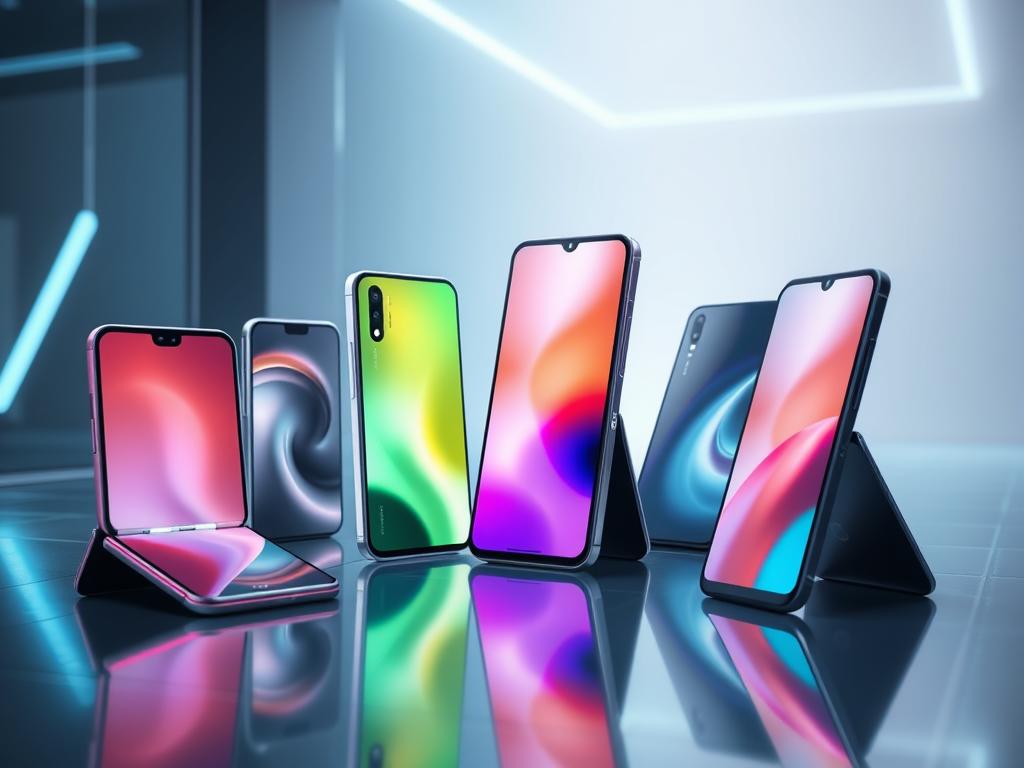
Remember the thrill of flipping open your first cell phone? That excitement is back, but even better. Foldable smartphones are here, mixing old-school fun with new tech. Holding the latest model, its sleek design unfolding into a tablet, felt like touching the future.
Foldable smartphones change how we use our devices. They offer a phone that turns into a tablet for better viewing. It’s not just cool; it’s a new way to use phones.
The market for these phones is growing fast. IDC says makers will ship 25 million foldable phones this year. That’s a 40% jump from last year, showing people want more from their phones.
Companies like OnePlus and Samsung are leading the way. Their phones have big screens, fast processors, and top-notch cameras. For example, the OnePlus Open has a huge 7.82-inch screen and 16GB of RAM.
Foldable phones are getting cheaper too. While the Samsung Galaxy Z Fold 5 costs $1,800, others are more affordable. The Motorola Razr (2023) is just $350, making these phones more accessible.
The future of phones is exciting. These devices are more than phones; they’re a peek into a world where gadgets meet our needs. As we move into this new era, one thing is clear: foldable smartphones are here to stay and are changing how we use technology.
Introduction to Foldable Smartphones
Foldable smartphones are changing how we use phones. They have big screens like tablets but are small like phones. This new tech is making our digital lives better.
Definition and Overview
Foldable phones have screens that fold without breaking. They let you see more on a smaller device. This is great for reading, playing games, and doing many things at once.
Evolution of Smartphone Design
The first foldable phone was the Royole FlexPai in 2018. Samsung’s Galaxy Fold came out in 2019. Since then, these phones have gotten better fast.
By 2023, about 1% of phones were foldable. But by 2025, that number could jump to 10%. This shows how much people want these phones.
- 2018: First commercial foldable smartphone released
- 2019: Major manufacturers enter the market
- 2023: Foldable phones reach 1% global market share
- 2025: Projected 10% market share for foldables
Foldable tech is getting better and cheaper. The market is growing fast. More people are interested in these cool phones.
Key Features of Foldable Smartphones
Foldable smartphones are a big step in mobile tech. They mix phone and tablet features. This is great for those who want bigger screens or better multitasking.
Display Technology
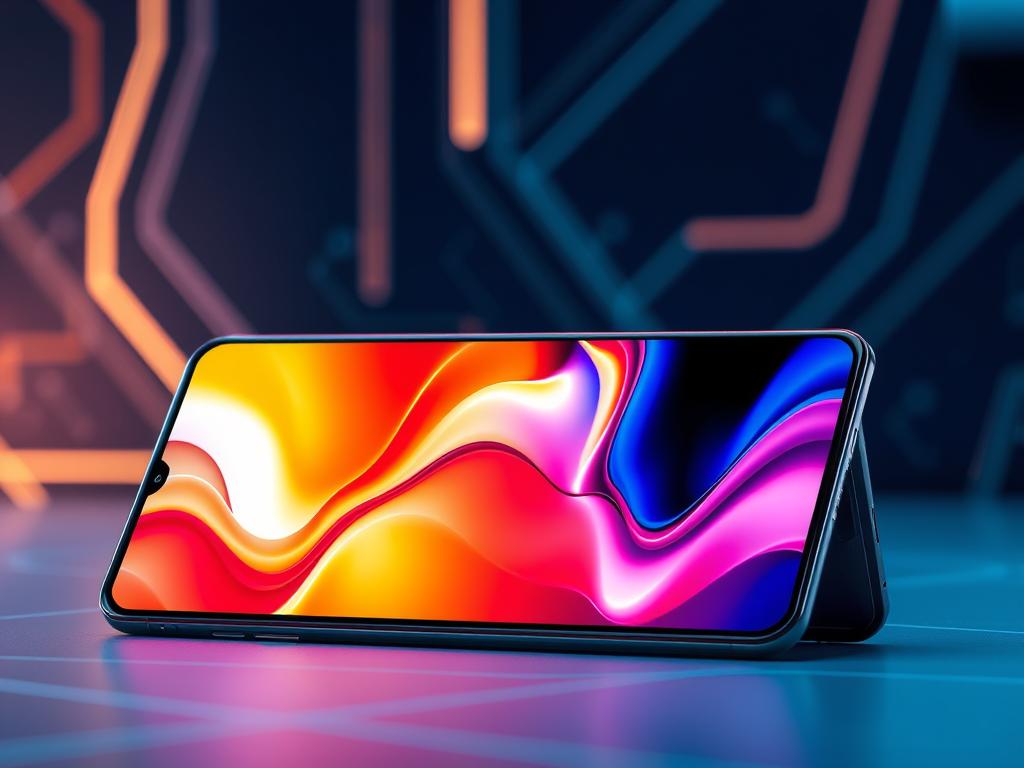
The main thing about foldable phones is their display tech. They have screens that bend without breaking. For example, the Google Pixel 9 Pro Fold has an 8-inch screen inside.
Its outside screen is 6.3 inches. It’s very bright, reaching 2,700 nits. This makes it one of the brightest out there.
Enhanced Multitasking Capabilities
Foldable phones are great for doing many things at once. They have big screens for running lots of apps. This makes them super useful for work or play.
The Pixel 9 Pro Fold has a strong processor and lots of RAM. It handles lots of tasks easily. The Samsung Galaxy Z Fold 6 also has a big screen for multitasking.
These phones have special features because of their design. The Pixel 9 Pro Fold has a cool selfie camera. It shows how foldable phones can do new things. They also have long battery life and fast charging.
Major Players in the Foldable Smartphone Market
The foldable smartphone market is growing fast. Key players are leading the way in this exciting trend. By 2023, the market was worth $27.79 billion and is expected to grow more.
Samsung’s Innovations
Samsung is at the top with its Galaxy Z series. Even though its share dropped from 52% to 40% from 2023 to 2024, it’s still a big player. Samsung offers the Galaxy Z Flip4 for $999.99 and the Galaxy Z Fold4 starting at $1,799.99.
Huawei’s Offerings
Huawei has seen big gains in the market. Its share went up from 18% to 33% in 2024, showing a huge increase. Huawei’s Pocket S costs between $819 and $1,025, showing they can offer good value.
Motorola’s Reinvention
Motorola has brought back its Razr brand in a new way. Though it has a small market share, it’s still a big name. They mix old-school charm with new tech, attracting those who want something different.
The market for foldable phones is expected to keep growing. It’s set to grow by 13.5% from 2024 to 2030. As tech gets better and prices drop, foldable phones will become a big deal in mobile trends.
Advantages of Foldable Smartphones
Foldable tech is changing the mobile world. These devices offer special benefits that make them stand out. Let’s look at the main advantages that make foldable phones the future.
Portability and Convenience
Foldable smartphones are super portable. They fit in pockets when folded. Yet, they open up to big screens.
This lets users have a small phone and a big screen. It’s the best of both worlds.
Improved User Experience
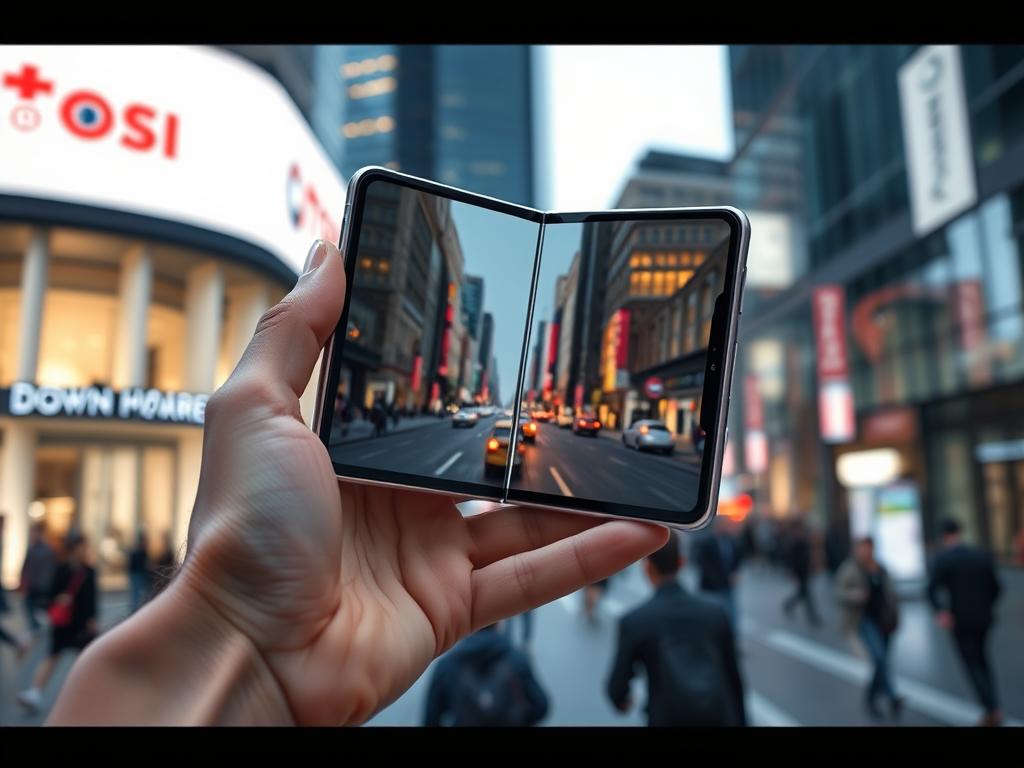
The big screens of foldable phones make using them better. They have 50% more screen space than regular phones. This changes how we use our devices.
It’s great for:
- Watching movies and videos
- Reading e-books and documents
- Efficient multitasking
Studies show 60% of users are more productive. They can do more things at once. This makes work and play easier.
As foldable tech gets better, we’ll see even more cool features. These phones will meet our needs, whether we’re working, playing, or staying in touch.
Challenges Facing Foldable Smartphones
Foldable smartphones are a big step in tech. They offer new chances, but they also have big problems.
Durability Concerns
Foldable screens are flexible, but they might not last long. They use plastic films, not Gorilla Glass. This makes them more likely to get scratched.
Folding and unfolding can stress the phone’s parts. This stress affects the screen, battery, and more. Makers need to make these phones last longer without losing their cool features.
Software Compatibility Issues
Folding screens are hard for apps to handle. Apps need to change size and shape smoothly. But many apps don’t work well in these new ways.
These phones are also very expensive. Prices are from $1,300 to $2,000. This makes them hard for people to buy, slowing down app updates.
- 83% of young Americans show interest in foldable technology
- 56% express concerns over durability
- 53% find the cost prohibitive
Even with these problems, foldable phones are getting more popular. Makers are trying to make them better and cheaper. They promise a future where these phones are easier to use and more affordable.
Consumer Perception and Market Trends
The foldable smartphones market is growing fast. It’s expected to jump from $26 billion in 2023 to $188.4 billion by 2033. This big jump shows how people’s views and mobile trends are changing.
Growing Demand Explained
Several reasons explain why more people want foldable smartphones:
- Innovative designs that offer new experiences
- Features that help you work better
- Better ways to watch videos and photos
- They are easier to carry than regular phones
These phones are becoming more popular, with a 60% increase in use each year. The market is set to grow by 21.9% every year from 2024 to 2033. This shows people really like these new phones.
Influences on Buying Behavior
Several things affect how people decide to buy foldable smartphones:
- Price matters: No foldable phones are under $999
- Brand loyalty: Samsung leads with over 90% of the market
- People like flip designs: 67% of foldable phone owners have flip models
- Interest in new tech: 25% of iPhone users want foldable phones
Even with these good signs, there are still hurdles. Global foldable smartphone sales dropped 1% in. To keep growing, makers need to keep improving and listen to what buyers want.
Future Innovations in Foldable Smartphone Technology
The world of devices is changing fast, with foldable tech leading the way. Exciting changes are coming for these advanced gadgets.
Advances in Materials
Scientists are finding new materials to make foldable phones last longer. Today’s phones can handle up to 200,000 folds. But soon, they might be able to handle even more.
These new materials aim to fix durability issues. They want to make foldable phones reliable for daily use.
Integration of AI Features
Artificial intelligence will be key in the future of devices, especially foldable phones. AI will help apps fit better on different screens. It will also guess what you want to do next and improve multitasking.
More people want foldable tech. Big names like Samsung are investing a lot in these phones. New companies are also joining the race.
As making these phones gets better and cheaper, they might become common soon. This could change how we use our devices. We might see phones that are both small and powerful like tablets.
Foldable Smartphones and Their Impact on User Behavior
The rise of innovative smartphones has changed how we use our phones. Foldable devices mix the use of smartphones and tablets.
Changes in Usage Patterns
A study of 494 users showed interesting facts about foldable phones. People like book-type foldables that open horizontally more than clamshell designs. They like the bigger screen for multitasking and watching media.
Users say they use their phones more because of better features. The Samsung Galaxy Fold, at $1,980, feels like a tablet. Huawei’s Mate X, with its 8-inch screen, is great for big tasks.
Impact on Social Media Interaction
Foldable phones change how we use social media. The big screens make scrolling better. Huawei’s Mate X lets users see photos before taking them, good for influencers.
But, the high cost of these phones might slow their use. The Galaxy Fold and Mate X cost $1,980 and $2,600. This could make them less common for now.
- Increased screen time due to enhanced functionality
- Improved multitasking capabilities
- More immersive social media experience
- Limited mass adoption due to high prices
As prices drop and tech gets better, foldable phones could change how we use mobile devices and digital content a lot.
Conclusion: The Future of Foldable Smartphones
Foldable smartphones are changing how we use mobile tech. They have moved from being rare to becoming more common. Now, they make up 1.6% of the market, up from 0.5% in 2021.
Summary of Key Points
Samsung is the top maker of foldable phones, with over 70% of the market. Huawei is second, with 10%. These phones can change from small to big screens, making work easier.
People like them a lot, with 78% saying they work better because of the bigger screens.
Ongoing Developments to Watch
The future of foldable phones is bright. TrendForce thinks they will be in nearly 5% of the market by 2028. Companies are spending $2 billion a year to make them better.
As prices drop and tech gets better, more people will want them. They might even make up 10% of all phone sales by 2025.
FAQ
Q: What are foldable smartphones?
Q: How do foldable displays work?
Q: Which companies are leading the foldable smartphone market?
Q: What are the main advantages of foldable smartphones?
Q: What challenges do foldable smartphones face?
Q: How are foldable smartphones changing user behavior?
Q: What future innovations can we expect in foldable smartphone technology?
Q: Are foldable smartphones likely to become mainstream?
Q: How do foldable smartphones impact app development?
Q: What is the price range for foldable smartphones?
FAQ
Q: What are foldable smartphones?
A: Foldable smartphones are new mobile devices with flexible screens. They can fold or unfold to change from phone to tablet. These phones offer big screens for better multitasking and are very versatile.
Q: How do foldable displays work?
A: Foldable displays use special materials and tech to bend without breaking. They use plastic or thin glass with OLED tech. This keeps the screen quality and touch sensitivity the same when folded or unfolded.
Q: Which companies are leading the foldable smartphone market?
A: Samsung, Huawei, and Motorola are leading in foldable phones. Samsung has the Galaxy Z series, Huawei has Mate X, and Motorola has the Razr. Each company brings unique designs and features to the market.
Q: What are the main advantages of foldable smartphones?
A: Foldable phones are great because they’re portable and versatile. They offer big screens for watching videos and working. They’re like phones and tablets combined.
Q: What challenges do foldable smartphones face?
A: Foldable phones face issues like durability and high costs. They also need better software for changing screen sizes. But, makers are working hard to fix these problems.
Q: How are foldable smartphones changing user behavior?
A: Foldable phones change how we watch videos, work, and use social media. They make mobile devices more like computers. This could change how we work and play online.
Q: What future innovations can we expect in foldable smartphone technology?
A: We’ll see better materials and AI features in foldable phones soon. There might be new designs and better battery life. Cameras and software will also get better for these devices.
Q: Are foldable smartphones likely to become mainstream?
A: Foldable phones are still a niche, but interest is growing. As tech gets better and prices drop, they could become more common. This could change the mobile world a lot.
Q: How do foldable smartphones impact app development?
A: Foldable phones challenge app makers to create flexible designs. They need apps that work well on different sizes and shapes. This leads to new design ideas and coding methods.
Q: What is the price range for foldable smartphones?
A: Foldable phones are pricey, from
FAQ
Q: What are foldable smartphones?
A: Foldable smartphones are new mobile devices with flexible screens. They can fold or unfold to change from phone to tablet. These phones offer big screens for better multitasking and are very versatile.
Q: How do foldable displays work?
A: Foldable displays use special materials and tech to bend without breaking. They use plastic or thin glass with OLED tech. This keeps the screen quality and touch sensitivity the same when folded or unfolded.
Q: Which companies are leading the foldable smartphone market?
A: Samsung, Huawei, and Motorola are leading in foldable phones. Samsung has the Galaxy Z series, Huawei has Mate X, and Motorola has the Razr. Each company brings unique designs and features to the market.
Q: What are the main advantages of foldable smartphones?
A: Foldable phones are great because they’re portable and versatile. They offer big screens for watching videos and working. They’re like phones and tablets combined.
Q: What challenges do foldable smartphones face?
A: Foldable phones face issues like durability and high costs. They also need better software for changing screen sizes. But, makers are working hard to fix these problems.
Q: How are foldable smartphones changing user behavior?
A: Foldable phones change how we watch videos, work, and use social media. They make mobile devices more like computers. This could change how we work and play online.
Q: What future innovations can we expect in foldable smartphone technology?
A: We’ll see better materials and AI features in foldable phones soon. There might be new designs and better battery life. Cameras and software will also get better for these devices.
Q: Are foldable smartphones likely to become mainstream?
A: Foldable phones are still a niche, but interest is growing. As tech gets better and prices drop, they could become more common. This could change the mobile world a lot.
Q: How do foldable smartphones impact app development?
A: Foldable phones challenge app makers to create flexible designs. They need apps that work well on different sizes and shapes. This leads to new design ideas and coding methods.
Q: What is the price range for foldable smartphones?
A: Foldable phones are pricey, from $1,000 to $2,500 or more. But, as they become more common, prices should fall. This will make them more affordable for more people.
,000 to ,500 or more. But, as they become more common, prices should fall. This will make them more affordable for more people.
Source Links
- https://www.tomsguide.com/best-picks/best-foldable-phones – Best foldable phones of 2025
- https://www.cnet.com/tech/mobile/best-foldable-phones/ – Best Foldable Phones in 2025: Samsung Galaxy Z Fold, Z Flip, Moto Razr, Pixel Fold
- https://www.stuff.tv/features/best-foldable-phones/ – Best foldable phone 2025: next-gen phones reviewed and rated
- https://store.google.com/intl/en_uk/ideas/articles/how-do-folding-phones-work/ – How Google’s Folding Phone, Pixel Fold, Works – Google Store
- https://en.wikipedia.org/wiki/Foldable_smartphone – Foldable smartphone
- https://porterriley.com/blogs/news/rise-of-foldable-phones-expected-revolutions-for-the-smartphone-industry?srsltid=AfmBOoptT446HUQCd8KB33bimjxE9yAXdiPmQ2BiAueF-vUoErYlxVAb – Rise of Foldable Phones: Expected Revolutions for the Smartphone Industry
- https://www.nytimes.com/wirecutter/reviews/best-foldable-phones/ – You Probably Don’t Need a Foldable Phone. But If You Really Want One, These Are the Best.
- https://www.pcmag.com/picks/the-best-foldable-phones – The Best Folding Phones for 2025: Google, OnePlus, Samsung, and More
- https://www.grandviewresearch.com/industry-analysis/foldable-smartphone-market-report – Foldable Smartphone Market Size And Share Report, 2030
- https://www.mordorintelligence.com/industry-reports/foldable-smartphone-market – Foldable Smartphone Market Size | Mordor Intelligence
- https://displaydaily.com/foldable-phone-market-hits-first-major-slump-as-samsung-huawei-dominance-wavers/ – Foldable Phone Market Hits First Major Slump as Samsung, Huawei Dominance Wavers
- https://www.4xem.com/blogs/blog/are-folding-phones-the-future-of-mobile-devices?srsltid=AfmBOop6poWSZGaHROcIMFnChFrCO0dz9Dq1X4oltkBwq1ianv8fhkuG – Are Folding Phones the Future of Mobile Devices?
- https://www.airtel.in/blog/prepaid/things-to-know-before-buying-a-foldable-phone-a-comprehensive-guide/ – Things to Know Before Buying a Foldable Phone: A Comprehensive Guide
- https://porterriley.com/blogs/news/rise-of-foldable-phones-expected-revolutions-for-the-smartphone-industry?srsltid=AfmBOooyyGPjlfxoUGLmpmGCilPJ8rdWYjksaABOr7fDFR_VuCQWKSqr – Rise of Foldable Phones: Expected Revolutions for the Smartphone Industry
- https://ceramics.org/ceramic-tech-today/the-challenges-of-making-foldable-smartphones/ – The challenges of making foldable smartphones – The American Ceramic Society
- https://www.forbes.com/sites/timbajarin/2024/11/21/why-i-am-on-the-fence-about-foldable-smartphones/ – Why I Am On The Fence About Foldable Smartphones
- https://www.linkedin.com/pulse/foldable-smartphones-statistics-market-reach-usd-1884-bn-2033-0jflc – Foldable Smartphones Statistics: Market to Reach USD 188.4 Bn by 2033
- https://www.kantar.com/inspiration/technology/ownership-of-foldable-smartphones-accounts-for-just-1-percent-of-total-smartphones – Ownership of Foldable Smartphones accounts for just 1% of total smartphones
- https://medium.com/@karishmabhosale1620/the-future-of-foldable-phones-are-they-really-the-game-changer-361eaf3759f8 – The Future of Foldable Phones: Are They Really the Game-Changer?
- https://www.prnewswire.com/news-releases/a-glimpse-into-the-brilliant-strategy-behind-huaweis-leading-foldable-smartphone-innovation-302327915.html – A Glimpse into the Brilliant Strategy Behind Huawei’s Leading Foldable Smartphone Innovation
- https://www.verizon.com/about/news/samsungs-foldable-revolution – Exploring the future of smartphones: Samsung’s foldable revolution
- https://www.tojqi.net/index.php/journal/article/download/1812/1070/1975 – PDF
- https://www.zdnet.com/article/foldable-phones-why-they-wont-change-the-shape-of-the-smartphone-industry/ – Foldable phones: Why they won’t change the shape of the smartphone industry
- https://www.nngroup.com/articles/foldable-smartphones/ – Smartphones: New Devices, New Opportunities
- https://wemarketresearch.com/blog/folding-the-future – A Comprehensive Guide to the Future of Mobile Technology
- https://thefixsolutions.com/the-future-of-smartphones-foldable-devices/ – The Future of Smartphones: Foldable Devices – The Fix Phone Repair – Computer and Tablet Repair