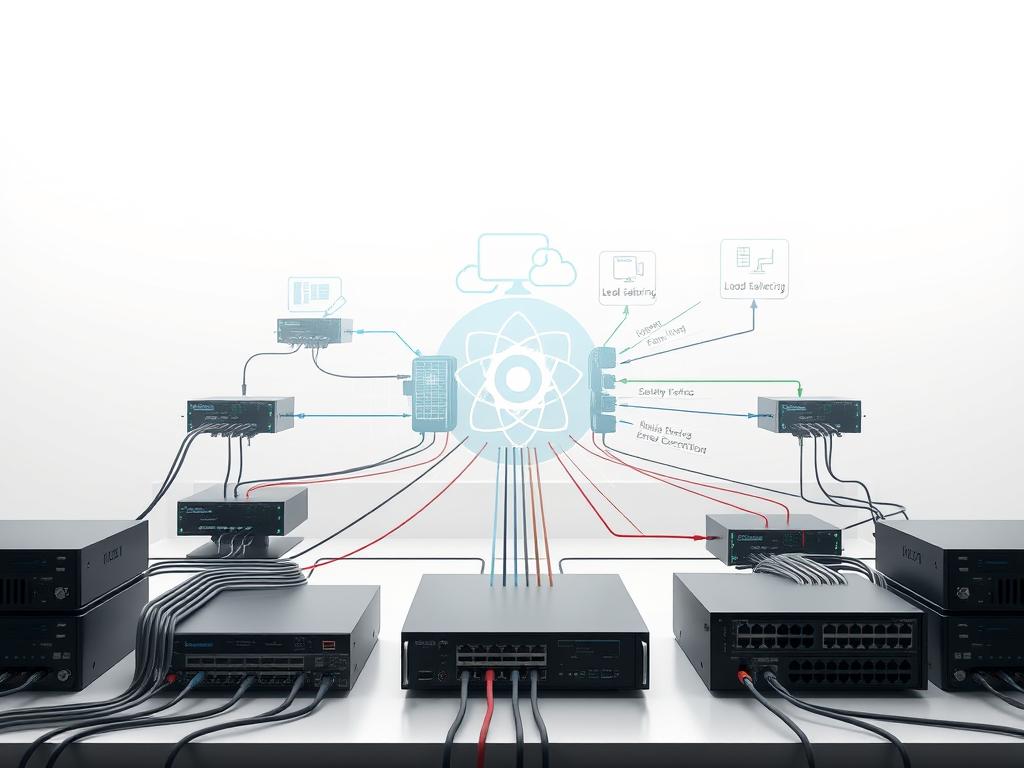
In today’s fast world, businesses need their IT to work well. But, when problems happen, it can cost a lot and upset users. Self-healing networks change how IT teams fix issues, making things better.
Think of a world where IT fixes problems on its own. Self-healing systems use smart tech like AI to watch your systems. They find and fix problems before they cause trouble. This helps businesses run smoother, use resources better, and make users happier.
We’re going to look at how self-healing systems change IT support. We’ll see how they’ve helped in the past and what they can do now. Let’s explore how these new technologies are making IT better in our digital world.
Understanding Self-Healing Systems
Self-healing systems are changing how we handle IT. They use AI diagnostics and system recovery to fix problems on their own. This means less work for humans.
These systems watch themselves all the time. They find problems and fix them right away. They use smart algorithms to figure out what’s wrong and how to fix it.
Definition and Overview
A self-healing system is like a smart computer. It can:
- Check its own health and work
- Find and fix problems
- Start fixing itself automatically
- Get better over time
With AI, these systems can stop problems before they start. This means less down time and less work for people. It makes IT systems stronger and more reliable.
Historical Context of Self-Healing Technologies
Self-healing systems have been around for a while. They started with autonomic computing. Back then, the goal was for systems to set themselves up, improve themselves, protect themselves, and fix themselves.
Now, with AI and automation, these systems are getting smarter. They’re used a lot in cloud computing and DevOps. They help companies be more flexible and strong.
Importance of Self-Healing in IT
In today’s fast world, self-healing systems in IT are very important. Businesses use technology a lot, and any problem can cause big losses. Automated troubleshooting helps IT systems fix problems on their own.
Self-healing systems watch over IT systems to keep them running smoothly. They use smart tech like AI and machine learning. This way, they can spot and fix problems before they get worse.
Reducing Downtime and Costs
Self-healing systems are great at keeping things running without stops. When problems happen, they quickly find and fix the issue. This saves a lot of time and money that would be lost on manual fixes.
Also, these systems help save money on IT support. They do routine tasks and fix problems on their own. This lets IT teams work on bigger projects, making things more efficient and saving money.
Enhancing User Experience
Self-healing systems also make things better for users. Today, people expect to use apps and services without any trouble. If there’s a problem, it can make users unhappy.
These systems keep IT running well, so users have a good experience. This builds trust and loyalty with customers, helping businesses do well.
Key Components of Self-Healing Systems
Self-healing systems are changing how IT teams solve problems. They use new tech and proactive plans to fix issues on their own. Let’s look at what makes these systems great for today’s IT needs.
Automation Technologies
At the heart of self-healing systems are strong automation tools. These tools use AI and machine learning to watch systems, find problems, and fix them fast. This means less downtime and more stable systems.
Monitoring and Analytics Tools
Monitoring and analytics tools are key in self-healing systems. They give a clear view of system health and user actions. By looking at lots of data, they spot trends and predict problems. This helps teams fix issues before they get worse.
Recovery Mechanisms
When problems happen, self-healing systems have strong recovery plans. These plans include quick fixes and self-correcting actions. This way, systems bounce back fast, keeping business running smoothly.
Automation, monitoring, and recovery work together in self-healing systems. They analyze data, find patterns, and make smart choices. This teamwork makes IT better, saving time and money, and making users happier.
Architectures Supporting Self-Healing
To make IT systems self-healing, we need special architectures. Microservices and cloud-native environments are great for this. They help systems fix problems on their own.

Microservices split big apps into small parts. Each part can be worked on and fixed separately. This makes finding and fixing problems easier.
Cloud-native systems use cloud tech for better performance and flexibility. They use tools like Docker and Kubernetes. This makes systems more reliable and easier to fix.
Microservices
Microservices make apps into small, focused services. Each service does one thing and talks to others through APIs. This way, problems in one service don’t stop the whole app.
Cloud-Native Environments
Cloud-native systems are built for growth and reliability. They use Kubernetes to adjust resources as needed. This keeps the system running smoothly.
Using microservices and cloud-native systems helps IT systems heal themselves. These setups make fixing problems fast and easy. This keeps apps running well and users happy.
Implementation Strategies for Self-Healing Systems
To add self-healing systems to your IT, you need a good plan. Start by checking your current setup. Then, make sure it works with your tools. And, test it well before using it everywhere.
Assessing Current Infrastructure
First, look at your IT setup. Find out what servers, networks, and apps you have. See if they can use self-healing tech. Knowing what you have helps you focus on what needs self-healing the most.
Integrating with Existing Tools
It’s key to make self-healing work with your current tools. This lets self-healing systems get data fast. It makes your IT better and more reliable.
Pilot Testing and Iteration
Do a test run before using self-healing everywhere. Try it on a small part of your system. Watch how it works and make it better. This way, you get the best system recovery without trouble.
With these steps, you can add self-healing to your IT. It cuts downtime, makes things more efficient, and makes users happier.
Benefits of Self-Healing Systems in IT Support
Self-healing systems bring many benefits to IT support. They make IT work better, faster, and more efficiently. This means businesses can use their IT to its fullest and give users a great experience.
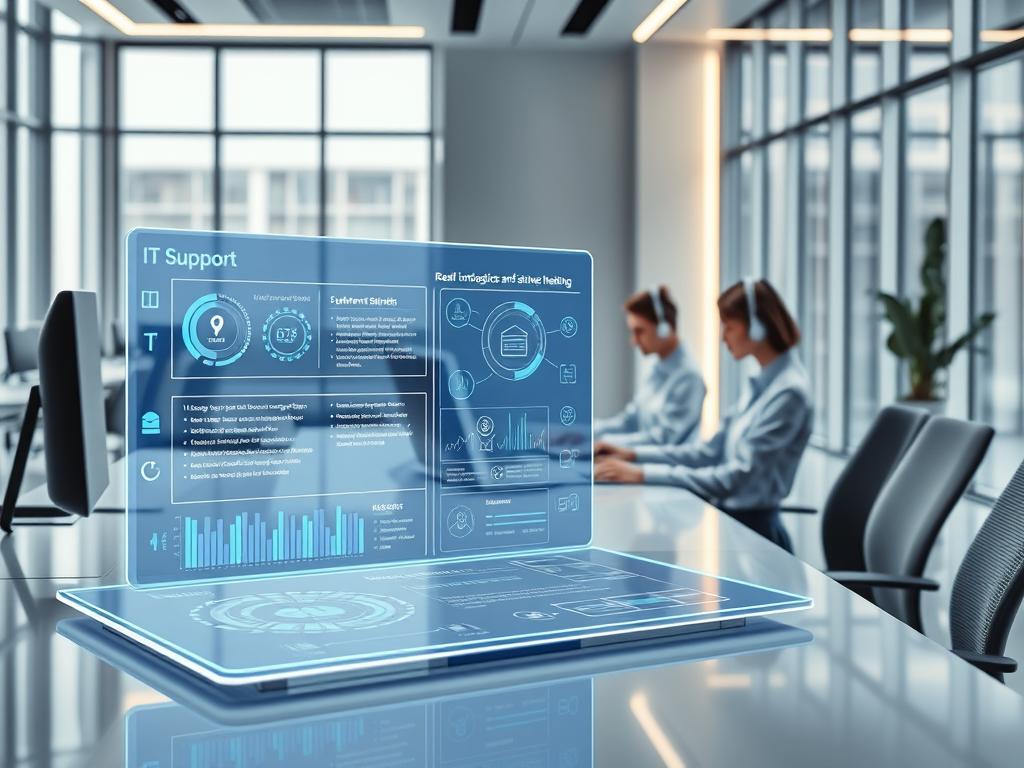
One big plus of self-healing systems is proactive IT support. They watch the IT environment all the time. They find problems before they happen.
These systems use smart tech to spot issues and fix them on their own. This means less downtime and better performance for everyone.
Scalability and Flexibility
As businesses grow, their IT needs change too. Self-healing systems are great at keeping up. They adjust to new demands easily.
They can change how resources are used and scale up or down as needed. This makes IT infrastructure flexible and ready for anything.
Improved Efficiency and Performance
Self-healing systems make IT support better with automated troubleshooting. They use smart tech to solve problems fast, without needing people.
This cuts down on time spent fixing issues. It lets IT teams work on new projects and ideas. This boosts business value and keeps things competitive.
These systems also make sure IT resources are used well. They spread out workloads and keep servers running smoothly. This means better system stability, faster responses, and happier users.
Challenges in Adopting Self-Healing Systems
Self-healing systems bring many benefits, but they also come with challenges. Adding these systems to current IT setups can be hard. It needs careful planning to work well and smoothly.
Technical Limitations
One big challenge is dealing with technical issues. Old systems and different IT setups can make it hard to use self-healing tech. Companies must check their systems and find problems before starting.
Also, making AI work well needs a lot of skill and money. Self-healing systems must find and fix problems fast. This requires strong algorithms and lots of testing. Getting past these tech problems is key to using self-healing tech fully.
Cultural Resistance within Organizations
There’s also a cultural hurdle. IT staff might worry that new tech will take their jobs. They might doubt if self-healing systems really work.
To beat these cultural issues, companies need to manage change well. They should teach IT teams how self-healing systems help, not harm. Training them to use new tools can build trust and acceptance.
Case Studies of Successful Implementations
Self-healing networks are becoming popular in the IT world. Many top companies have used them to improve how they fix problems. They use smart tools and automation to make their IT work better.
Netflix’s Resilient Streaming Infrastructure
Netflix, a big name in streaming, uses self-healing to keep its service smooth. It has a system that can find and fix problems on its own. This means less time when you can’t watch your favorite shows.
Lessons Learned from Successful Implementations
Netflix and others show us how to do it right. Here are some important points:
- Using smart tools and automation helps a lot in fixing problems fast.
- Building systems that can grow and handle more traffic is key. This makes things work better.
- Testing and improving your system often is important. It helps it get even better over time.
Learning from these examples can help other companies. They can make their IT support better and more efficient.
Future Trends in Self-Healing Systems
Technology is moving fast, and self-healing systems in IT support are getting better. New tech like artificial intelligence (AI) and machine learning will make them smarter and faster. This means proactive IT support and automated troubleshooting will change how we handle IT problems.
AI and machine learning are making big waves in self-healing systems. They use lots of data and smart analytics to spot issues early. This helps IT teams act fast, reducing downtime and keeping systems running well. As AI and machine learning grow, self-healing systems will get even smarter.
Evolving Best Practices
As self-healing systems grow, so will the ways we use them. Keeping data quality high is key for AI to work well. It’s also important to keep training AI models to stay ahead in IT. Working together between IT, data science, and business teams will help use self-healing to meet goals.
The future of self-healing systems in IT support is very promising. With AI and machine learning leading the way, we’re on the path to better IT support. By using these new technologies and following best practices, we can make IT more reliable and efficient.
Conclusion: The Future of Self-Healing in IT Support
The future of IT support is all about self-healing systems. These use AI diagnostics and advanced system recovery. As tech gets better, companies must use these new tools to stay ahead.
By adding self-healing tech to their systems, businesses can fix problems fast. This means less downtime and better work flow.
Looking into self-healing systems shows their big impact. Autonomous maintenance and self-healing tech use AI and data to solve problems on their own. This change makes systems stronger and saves money.
It also lets people focus on new ideas and growth. This is a big win for companies.
But, using self-healing systems is not easy. Companies need to think about how it will change their work and culture. They must be open to new ways and help their workers learn.
By working with tech partners and improving their strategies, companies can make the most of these systems. This will help them succeed in the digital world for a long time.