
Imagine a world where your devices can think for themselves. They can do complex AI tasks in real-time, without needing the cloud. This is what edge AI chips promise, a technology that will change how we use our devices and interact with the world.
As AI becomes more part of our lives, we need faster, more efficient, and secure processing at the edge. This is where edge AI chips come in.
Edge AI chips are special hardware made to speed up AI tasks at the edge. They bring AI closer to us. By processing data locally, they make things faster, keep our data private, and cut down on cloud use.
The global AI chip market is expected to hit $846.8 billion by 2035. This shows how big of a deal edge AI chips are for the future of computing.
In this article, we’ll explore edge AI chips. We’ll look at what makes them special, their benefits, and how they’re used in different fields. From energy-saving tech to the newest AI chipsets of 2025, we’ll see how they’re making devices smarter and changing our lives and work. Join us as we dive into the future of AI and discover why edge AI chips are key to it.
Introduction to Edge AI Chips
Artificial intelligence (AI) has changed how we handle data. The need for fast, low-latency AI is growing. Edge AI chips are a key solution, bringing AI closer to data sources.
Definition and Overview
Edge AI chips are made for complex AI tasks on devices or at the network edge. They differ from AI processors that use the cloud. Edge AI chips run AI algorithms locally, cutting down on data transmission and speeding up responses.
By placing AI at the edge, these chips unlock new possibilities for smart devices and systems.
Key Characteristics of Edge AI Chips
Edge AI chips have unique features that make them different from regular processors:
- Parallel processing architecture optimized for AI workloads
- Low power consumption for energy-efficient operation
- Compact form factors for integration into various devices
- High performance and speed for real-time AI processing
These chips are in many devices, like smartphones, smart cameras, and IoT sensors. They make systems smarter, faster, and more efficient across many industries.
The Rise of Edge Computing
The world of computing is changing fast. Data processing is moving from big cloud centers to the edge. Edge computing brings power and smarts closer to where data is made.
This change is all about quick processing, less delay, and better privacy and safety.
The Evolution of Edge Computing
Computing used to rely on big, central systems. Data went to far-off servers for work. But, as more data came from devices and sensors, this method hit limits.
Edge computing came to fix these problems. It spreads out processing power across the network.
With more Internet of Things (IoT) devices, edge computing became key. It lets data be worked on right where it’s made. This cuts down on cloud trips, making things faster.
Current Trends in Edge Computing
Edge computing has brought new trends. Special edge AI chips are now a big deal. They handle AI tasks like machine learning and vision right on devices.
This means businesses can make smarter, more independent systems. It opens up new ways to work and serve customers.
Edge computing is also spreading to many fields. It’s changing healthcare, manufacturing, smart cities, and more. By using edge computing and AI, companies can make quicker decisions and improve services.
As edge computing grows, we’re moving towards a future of smart, self-running devices. This shift will change many industries and bring new chances for growth and innovation.
Benefits of Edge AI Chips
Edge AI chips are changing how we handle data. They offer many benefits for different fields. These chips do complex tasks right on the device, without needing to talk to distant servers or the cloud.
One big plus of edge AI chips is their speed. They can make decisions and analyze data quickly. This is key in areas like self-driving cars and factory automation, where time is everything.
Enhanced Privacy and Security
Edge AI chips also boost privacy and security. They keep sensitive data close to home, reducing the chance of leaks or hacking. This is super important in fields like healthcare, where keeping patient info safe is a top priority.
Reduced Bandwidth Usage
These chips also cut down on network use. They do AI tasks locally, not in the cloud. This is great for places with poor internet or for IoT devices in far-off areas. It makes operations more efficient and cheaper.
Applications of Edge AI in Industry
Edge AI is changing many industries by making AI closer to data. It uses AI processors and AI at the edge. This opens up new chances and boosts innovation. Let’s see how it’s changing healthcare, smart cities, and manufacturing.
Transforming Healthcare with Edge AI
In healthcare, edge AI helps with quick patient checks, remote diagnoses, and tailored treatments. It uses AI processors to analyze data fast. This means doctors can make quicker, more accurate decisions without needing the cloud.
This approach also keeps patient data safe and private. It’s a big win for healthcare.
Empowering Smart Cities and IoT
Edge AI is key for smart cities and IoT. It helps manage traffic, save energy, and keep cities safe. Smart devices can make decisions on their own, thanks to AI at the edge.
This makes cities run better and faster. It makes life better for city folks.
Optimizing Manufacturing and Automation
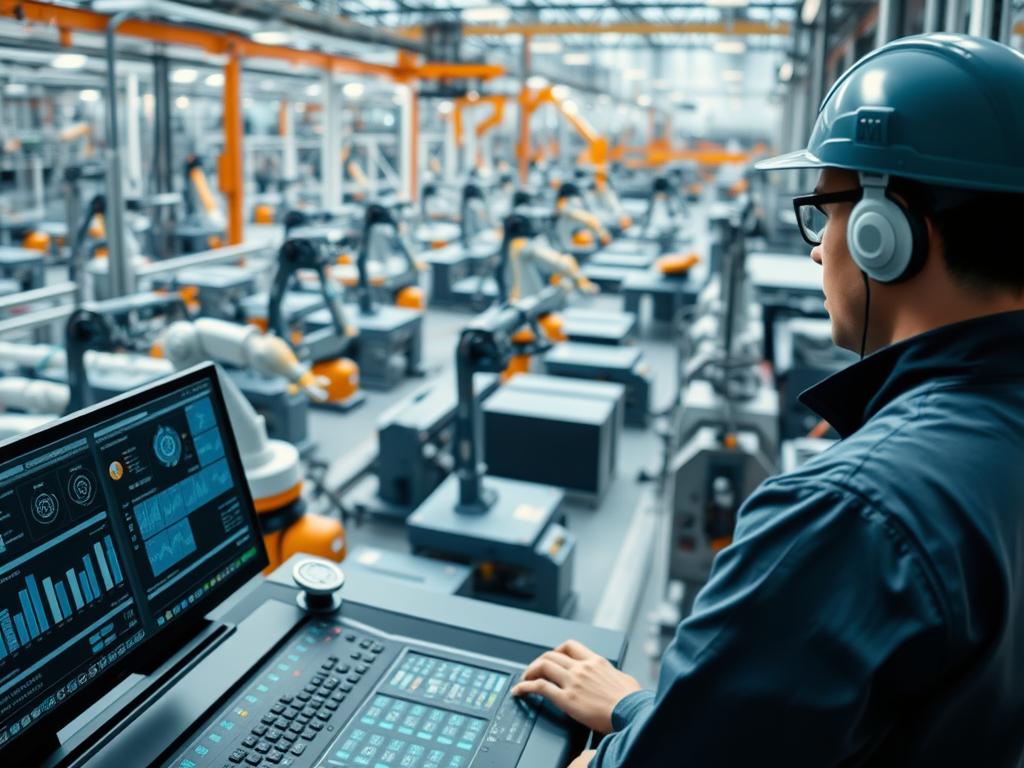
In manufacturing, edge AI is a game-changer. It helps with quality checks, predicts when machines need fixing, and runs robots on its own. This means finding problems sooner, less downtime, and better production.
Edge AI makes factories more efficient and cost-effective. It also means better products for everyone.
Edge AI has many uses in industry and is growing fast. As more businesses use AI at the edge, we’ll see even more cool things. Edge AI helps industries do better, work smarter, and give customers more value.
Comparing Edge AI Chips and Cloud Computing
Edge computing is becoming more important. It’s key to know how edge AI chips compare to cloud computing. Edge AI chips have big advantages in some situations, like needing fast processing and low delay.
Processing Speed Differences
Edge AI chips can process data very quickly. They do calculations right on the device. This means no need to send data to the cloud, cutting down on delay.
This makes edge AI great for things that need quick answers, like self-driving cars or factory systems.
Cloud computing sends data to servers for processing. This can cause delays. Cloud computing is better for big data analysis and complex tasks, but not for urgent needs.
Cost Implications
The cost of edge AI chips versus cloud computing varies. It depends on the application, how big it is, and how much data it uses. Edge AI can save money for tasks that need fast data processing, as it cuts down on data sending costs.
But cloud computing is more flexible and scalable. It’s good for businesses that need to grow or handle lots of data.
Scalability Considerations
Edge AI chips are great for fast processing but have limits on growing. They are small, use less power, and can get hot. This makes it hard for big or growing applications.
Cloud computing can grow without limits. It’s easy to add more resources when needed. But, it might have delays and cost more for data sending.
Choosing between edge AI chips and cloud computing depends on what you need. Edge AI is best for fast, low-latency tasks. But cloud computing is better for big growth, complex data, and managing everything from one place.
Key Players in the Edge AI Chip Market
The edge AI chip market is growing fast. Big tech companies and new startups are leading the way. They are making AI chips that change how we handle data at the edge.
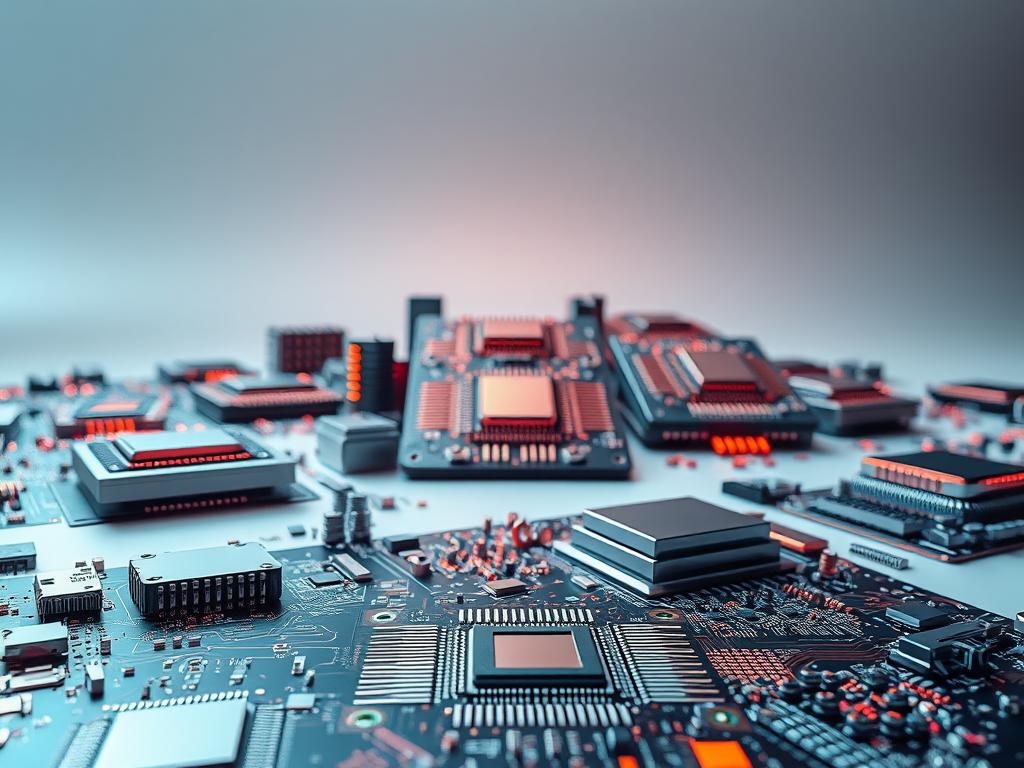
Big names like Qualcomm, Nvidia, Intel, MediaTek, and Huawei are at the top. They use their knowledge to make strong edge AI solutions. Their products help many devices, from phones to cars.
Emerging Startups Making Waves
New companies like Mythic and Graphcore are also important. They work on special AI chips and new designs. These startups are quick to try new things in AI.
They get a lot of money from investors because of their fresh ideas. This helps them grow fast in the AI chip market.
Looking ahead, both big companies and startups will keep improving AI chips. Their work will make edge computing better and more useful. This will change many areas of life for the better.
Challenges Facing Edge AI Chip Adoption
Edge AI chips have many benefits, but they face several challenges. These issues are in both technical and regulatory areas. To solve these, we need new ideas and teamwork from all parts of the industry.
Technical Limitations
One big challenge is making these chips use less energy. They are often used in places with little power, like IoT devices or phones. So, it’s key to make chips that work well but use little power.
Another issue is the memory problem. Edge AI needs quick access to lots of data. To fix this, we need new ways to store data on the chip, like on-chip memory or better caching.
Regulatory and Compliance Issues
Edge AI chips deal with data close to where it’s made. This raises big questions about privacy and security. It’s vital that these chips follow rules like GDPR or HIPAA. Chip makers need to work with regulators to make clear rules for using edge AI.
Also, the edge AI chip market lacks standards. This makes it hard for different chips and apps to work together. We need common standards for chip design, software, and data formats to help the edge AI world grow.
Future Trends in Edge AI Chips
Artificial intelligence is changing fast, and edge AI chips are key to this change. They will help us process data in new ways. This is thanks to better AI algorithms and tech like 5G.
Advancements in AI Algorithms
AI algorithms are getting smarter and more complex. This means we need better edge AI chips to handle them. Experts are working hard to make these chips faster and more energy-efficient.

By 2025, edge AI chips will do more than ever before. They will be able to do tasks that now need cloud computing. This will lead to new uses for AI in many areas, like healthcare and smart cities.
Integration with 5G Technology
5G technology is also changing edge AI. It makes communication between devices and the cloud faster. This is great for things like self-driving cars, where quick decisions are important.
Edge AI and 5G together will also help create huge IoT networks. These networks will connect many devices and sensors. This will make systems in cities and industries smarter and more responsive.
Case Studies of Successful Edge AI Implementations
Edge AI has shown its value in many fields, bringing real benefits and changing how things work. We’ll look at how it’s helping in retail and transportation and logistics.
Revolutionizing Retail with AI at the Edge
In retail, edge AI helps businesses run better and make customers happier. It uses AI processors to manage inventory in real-time. This means stock levels are always right, and there’s less chance of running out.
Edge AI also makes shopping more personal. It looks at what customers like and want right away. This makes customers happier and helps stores sell more.
Edge AI is also key in stopping theft and fraud. It works with cameras to spot and stop bad behavior. This keeps stores safe and saves money.
Optimizing Transportation and Logistics with Edge AI
In transportation and logistics, edge AI is making a big difference. It helps manage traffic better, making roads less crowded. It uses data from sensors and cameras to change traffic lights and routes.
Edge AI also helps keep vehicles running smoothly. It looks at sensor data and past maintenance to find problems early. This means less time stopped and safer cars.
In supply chains, edge AI makes things run faster and cheaper. It tracks shipments and manages inventory in real-time. This means goods get to customers quicker and at a lower cost.
The Impact of Edge AI on Data Management
Edge AI is changing how we manage and process data. It makes computing systems more efficient. By adding AI to edge devices, edge AI speeds up data processing. This cuts down on the need to send data to cloud servers all the time.
Edge AI’s main benefit is making data processing better. It does calculations near the data source. This means less data is sent over networks, making things faster and with less delay.
This is great for things that need to work fast, like self-driving cars and smart cities.
Data Processing Efficiency
Edge AI chips are made to work better at processing data. They have special parts and designs that save energy. These chips can do tasks like recognizing images and understanding language right on the device.
This way, they make data processing quicker and easier. It also means less work for big servers in the cloud.
Storage Solutions
Edge AI also needs new ways to store data. Edge data centers and special storage systems are becoming important. They help deal with the challenges of edge computing, like small spaces and power limits.
With these storage solutions, companies can keep data close to where it’s used. This cuts down on cloud storage costs. It also makes data safer and more private, as it’s stored closer to its source.
Conclusion: Embracing the Edge AI Transition
The computing world is changing fast with edge AI chips. These chips will make computing smarter and more efficient. They will be closer to where data is made and used.
By using AI at the edge, many industries will see big changes. This will change how we live and work.
Edge AI chips are great for fast processing and making quick decisions. They are perfect for healthcare, smart cities, and more. As AI gets better, we will need even more efficient edge computing.
Summary of Key Points
We talked about what edge AI chips are and why they’re better than cloud computing. We also looked at how different industries will benefit. There are challenges, but the future looks bright.
Edge AI chips will lead to smarter computing. They are key to the next big thing in technology.
Call to Action for Future Adoption
To make the most of edge AI, we need to work together. We must solve technical and legal problems. This will help us use edge AI faster.
Businesses and organizations should start using edge AI now. It can make them more efficient and open up new chances for growth. The time for AI at the edge is here. Those who adapt will do well in the future.